Payroll mistakes don’t arrive loudly, yet they quietly damage trust, morale, and compliance. One delayed salary or incorrect deduction can undo months of employee goodwill. As companies grow, payroll becomes less about calculations and more about accuracy under pressure. Many HR teams realize too late that internal systems were never built for scale, complexity, or regulatory risk. That realization is now driving a major shift in how businesses handle workforce administration.
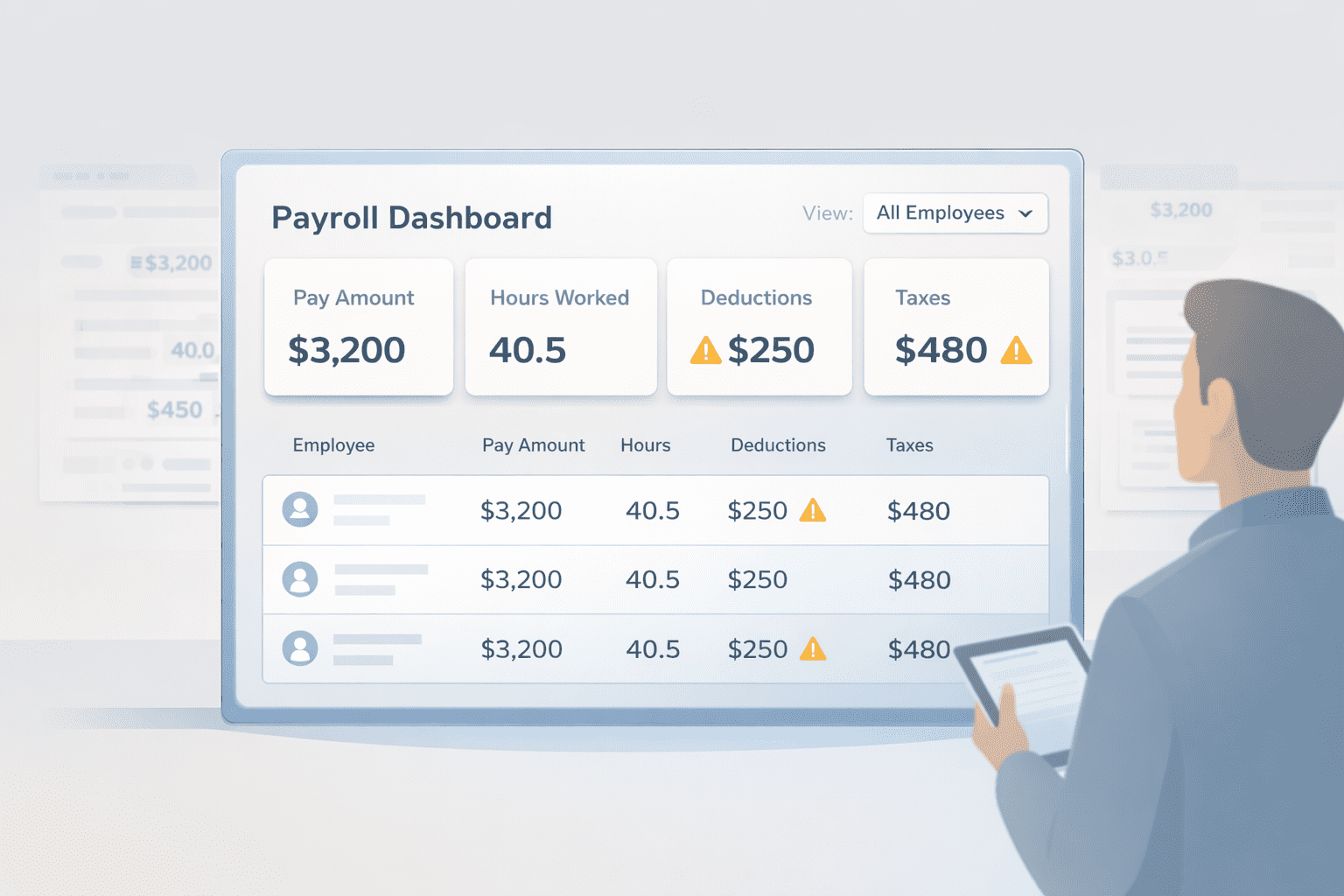
Payroll errors often look minor on paper, but their impact compounds fast. Employees lose confidence, managers get distracted, and HR teams end up firefighting instead of planning. Over time, mistakes create friction between finance, HR, and operations. What’s worse is that most errors don’t come from negligence, but from outdated systems trying to manage modern workforce realities.
Payroll today isn’t just about paying people on time. It involves multiple employment types, location-based compliance, frequent policy updates, and detailed reporting. Each new hire, contract, or regulation adds another layer of risk. Many internal teams are simply stretched beyond what spreadsheets or basic software can handle reliably.
Regulatory scrutiny has intensified across regions. One miscalculated contribution or missed filing can trigger audits, penalties, or legal exposure. HR teams are expected to stay updated on labor laws while also supporting employees. This dual responsibility makes payroll one of the highest-risk operational functions in the organization.
Hiring more payroll staff isn’t always the solution. Knowledge gaps remain, systems stay fragmented, and accountability becomes blurred. Even experienced teams struggle when payroll depends on manual handoffs across departments. At some point, scaling internally costs more than it fixes.
This is where companies start looking outward. Rather than rebuilding payroll from scratch, many turn to specialized partners who already manage compliance-heavy workforce operations at scale. The shift isn’t about outsourcing responsibility; it’s about reducing risk while regaining focus on growth.
The decision to work with Staffing Agencies is rarely about convenience alone. Businesses want predictability, compliance assurance, and fewer operational surprises. More importantly, they want payroll to stop being a source of internal stress.
Companies typically look for:
Accurate salary processing across employee types
Clear ownership of statutory compliance
Reduced dependency on manual tracking
Transparent reporting and audit readiness
When payroll runs smoothly, employees feel respected. Confidence grows quietly, yet powerfully. Leaders regain time to focus on strategy instead of damage control. Over time, accurate payroll becomes a signal that the company values fairness and professionalism.
As workforces become more flexible, payroll complexity grows faster than HR headcount. Businesses scaling across regions or managing contract-heavy teams feel this pressure first. That’s why Staffing Agencies are increasingly seen as a stabilizing layer rather than an external add-on.
There’s a human side to this shift that rarely gets discussed. HR professionals carry the emotional burden of payroll failures. Handing over execution to experts removes constant anxiety. It allows teams to breathe, plan, and rebuild trust internally.
Organizations that treat payroll as a strategic function outperform those that treat it as routine admin. The right operational setup protects employees, safeguards compliance, and supports growth. This mindset change is what’s driving long-term partnerships with Staffing Agencies across mature and emerging markets alike.
As payroll complexity continues to rise, many organizations are quietly rethinking how much risk they want to carry internally. The focus is shifting toward operational setups where accuracy, compliance, and employee confidence are handled with consistency rather than constant intervention. In this landscape, structured workforce support models—like those offered by Team Management Services—often become part of a longer-term solution, helping businesses stabilize payroll operations while HR teams redirect their energy toward planning, people, and growth.
Incorrect deductions, delayed payments, and compliance miscalculations are among the most frequent issues, especially in growing or multi-location teams.
Yes. Repeated mistakes can trigger audits, penalties, and employee disputes, particularly when statutory contributions are involved.
Growth adds complexity through more employees, contracts, and regulations, which often overwhelms internal payroll systems.
In most models, they handle salary processing, filings, and statutory adherence, reducing compliance risk for employers.
About the Author
Abhijit Divekar is the Managing Partner of Team Management Services (TMS), with 19+ years of experience in HR outsourcing, contract staffing, and statutory compliance across India. He has helped 450+ companies build compliant, scalable workforces.
1003-04, 10th floor G-Square Business Park, Jawahar Road, Opposite Railway Station, above Kalyan Jewellers, Ghatkopar East, Mumbai – 400077
601 to 603 Aries Galleria, Vasana Road, Vadodara – 390015 Gujarat, India
Contact TMS:
+91-224-149-8942
+91-224-896-7640
For General Queries:
[email protected]
For Sales:
For Jobs:
[email protected]
Team Management Services. All Rights Reserved | Privacy Policy | Terms & Conditions
20+ years of expertise in Contract Staffing, EOR, Payroll & Compliance
Tell us about your staffing needs