In-house hiring teams were once a symbol of control and maturity. They understood the company culture, worked closely with leadership, and built teams that aligned with long-term goals. For years, this model worked well. However, by 2026, many organizations are quietly realizing that their internal hiring teams are stretched in ways that effort alone can’t fix. The pressure isn’t temporary. It’s structural, and it’s changing how hiring functions are expected to operate.
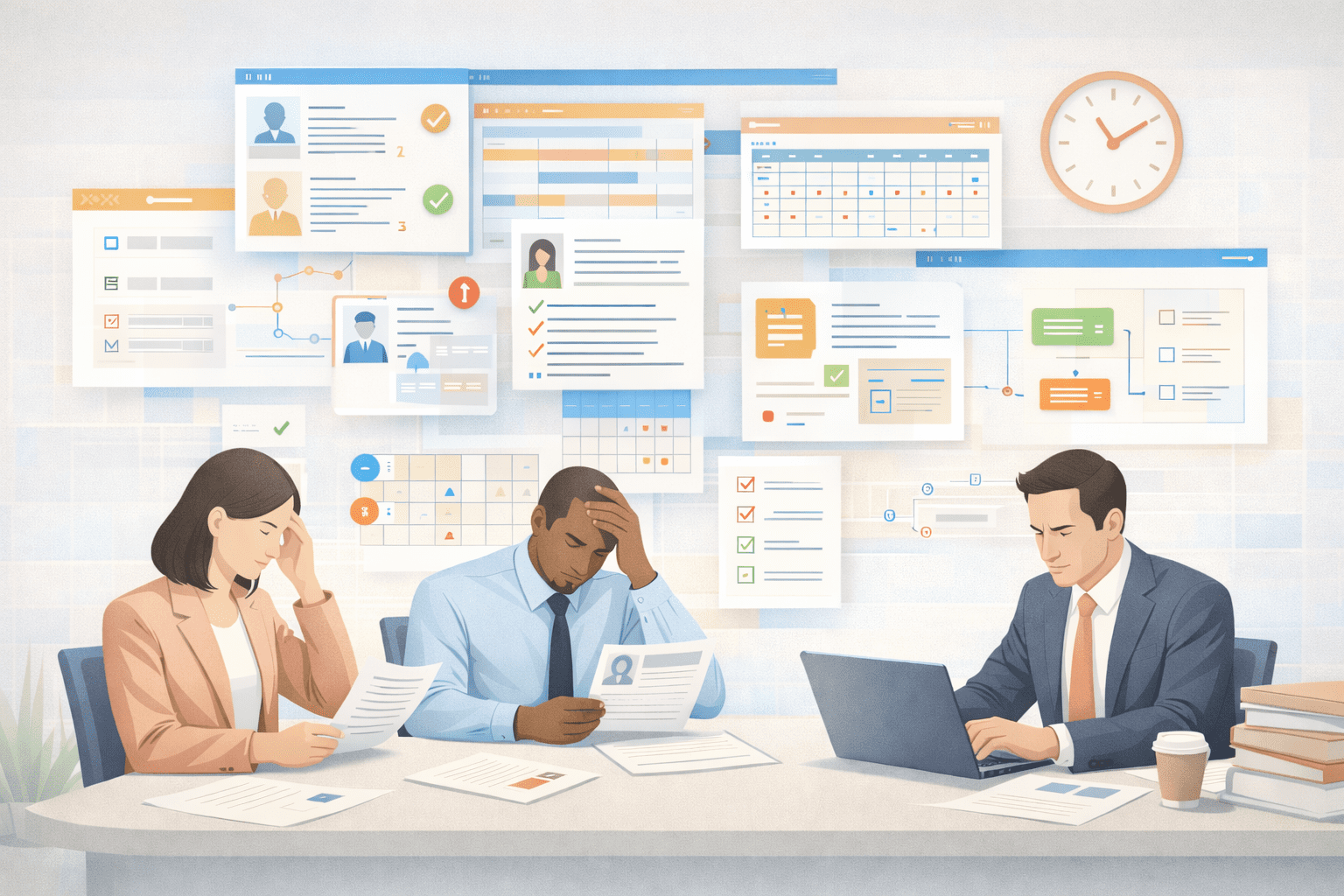
Hiring today no longer begins and ends with sourcing candidates. Internal teams are increasingly involved in onboarding coordination, documentation checks, payroll alignment, and employment classification decisions. While these tasks may seem adjacent to hiring, they add significant operational weight. Over time, recruiters find themselves managing processes that sit far outside their original role, which slowly erodes focus and effectiveness.
Business leaders expect faster hiring cycles without compromising quality or compliance. At the same time, approvals are layered, stakeholders are more involved, and decision-making is cautious. Internal teams are asked to move quickly while managing more dependencies than ever before. This mismatch between expectations and capacity creates constant urgency, leaving little room for strategic thinking or long-term workforce planning.
Employment compliance is no longer a background concern handled after a hire is made. Today, hiring decisions directly impact payroll structures, statutory contributions, and classification risks. Internal hiring teams are often expected to “ensure compliance” without the specialized bandwidth required to stay current with evolving regulations. This creates silent pressure, especially when mistakes carry financial and legal consequences.
Most organizations have invested in hiring platforms, applicant tracking systems, and automation tools. While these systems improve visibility, they don’t reduce responsibility. Data still needs accuracy, rules still need interpretation, and exceptions still need judgment. Technology has streamlined steps, but it hasn’t simplified ownership. As a result, internal teams often feel busier rather than lighter.
The emotional strain on internal hiring teams is becoming normalized. Constant urgency, overlapping responsibilities, and unclear boundaries lead to burnout. When teams operate in reactive mode for long periods, creativity drops and decision-making becomes transactional. Candidates feel it. Hiring managers feel it. Over time, the quality of hiring conversations declines, even when intentions remain strong.
Growth exposes weaknesses that were manageable at smaller scales. Processes that worked for limited hiring volumes struggle when teams expand across locations or employment types. Instead of redesigning the model, many organizations ask internal teams to work harder. Unfortunately, scale demands structure, not just effort. This is where cracks become impossible to ignore.
By 2026, internal hiring teams are reaching their limits not because of skill gaps, but because responsibility has expanded without redesign. The most common pressure points include:
Managing payroll coordination and employment documentation alongside hiring
Navigating compliance expectations without dedicated expertise
Supporting rapid growth with static team sizes
Handling administrative follow-ups that dilute strategic focus
These challenges accumulate quietly until performance and morale are affected.
Forward-looking organizations are redefining what truly belongs with internal teams. Strategic workforce planning, culture alignment, and hiring decisions remain core responsibilities. However, employment administration such as payroll processing, statutory compliance, and documentation management requires consistency and specialization. Separating these responsibilities allows hiring teams to return to what they do best.
The future of hiring isn’t about replacing internal teams. It’s about supporting them with clearer boundaries and stronger operational foundations. When employment administration is handled separately, hiring teams regain time, clarity, and confidence. The result is calmer workflows, better candidate experiences, and more thoughtful hiring decisions.
In-house hiring teams aren’t failing in 2026. They’re being asked to operate within a model that hasn’t kept pace with how work has changed. As hiring becomes more closely tied to payroll, compliance, and administration, expecting internal teams to manage everything creates strain rather than control.
At Team Management Services, the focus is on managing the employment side of the workforce placing employees on compliant payroll structures, handling statutory obligations, and ensuring administrative consistency so internal hiring teams can focus on people, performance, and long-term growth. Sustainable hiring isn’t about doing more internally. It’s about doing the right things internally.
No. Their role is evolving, not disappearing. Strategic hiring remains critical.
Increased workload, compliance responsibility, speed expectations, and emotional burnout.
By redefining responsibilities and outsourcing employment administration while keeping hiring strategy internal.
Companies should reassess when hiring teams spend more time on payroll coordination, compliance checks, and documentation than on talent quality, workforce planning, and candidate experience.
About the Author
Abhijit Divekar is the Managing Partner of Team Management Services (TMS), with 19+ years of experience in HR outsourcing, contract staffing, and statutory compliance across India. He has helped 450+ companies build compliant, scalable workforces.
1003-04, 10th floor G-Square Business Park, Jawahar Road, Opposite Railway Station, above Kalyan Jewellers, Ghatkopar East, Mumbai – 400077
601 to 603 Aries Galleria, Vasana Road, Vadodara – 390015 Gujarat, India
Contact TMS:
+91-224-149-8942
+91-224-896-7640
For General Queries:
[email protected]
For Sales:
For Jobs:
[email protected]
Team Management Services. All Rights Reserved | Privacy Policy | Terms & Conditions
20+ years of expertise in Contract Staffing, EOR, Payroll & Compliance
Tell us about your staffing needs